These diseases can affect your nervous system and cause alcoholism serious health problems. Although alcoholic beverages are widely available and often consumed at social events, drinking too much alcohol can be extremely detrimental to your health. This is because alcohol is actually considered a poisonous chemical. While most people recover from alcohol intoxication without any lasting problems, there are some individuals who may regularly consume large amounts of alcohol and develop neurologic diseases as a result of their drinking. In this blog post we will discuss what alcohol-related neurologic diseases are and how they can affect your life. Generalized seizures (“rum fits”), if present, usually occur within the first 2 days of alcohol withdrawal.

What causes peripheral neuropathy?
- Although rates decline with each decade, as many as 10% of the elderly drink excessively.
- Your peripheral nervous system consists of all the other nerves in your body.
- Sensory examination was notable for profound loss of vibration and temperature sensation in the feet and to a slight degree in her hands.
- This includes the nerves that send signals to the muscles and organs.
- Apart from above function, over-activation of epsilon form of protein kinase C (PKCε) is known to be involved in mediating neuropathic pain, such as pain induced by cancer chemotherapy (vincristine) 56 and diabetes 57.
Your doctor will assess your nutritional status and check for vitamin deficiencies. In delirium tremens, the brain is not able to smoothly readjust its chemistry after alcohol is stopped. This creates a state of temporary confusion and leads to dangerous changes in the way your brain regulates your circulation and breathing. The body’s vital signs such as heart rate or blood pressure can change dramatically or unpredictably, creating a risk of heart attack, stroke, or death. The most dangerous form of alcohol withdrawal occurs in about one out of every 20 people who have withdrawal symptoms.
How can I prevent alcohol poisoning?
- Autonomic testing of parasympathetic and sympathetic reflexes is often abnormal, including analysis of heart rate variability, Valsalva maneuver, handgrip, tilt table, and standing maneuvers.
- If a friend appears to be drinking too much too fast, try to intervene and limit how much more they have.
- Acute or fulminant cases are described following an overdose, especially if combined with ethanol.
- After withdrawal is complete, it is essential that you not begin drinking again.
If a friend appears to be drinking too much too fast, try to intervene and limit how much more they have. One symptom in people with severe disease is confabulation, https://ecosoberhouse.com/ where they invent information to cover memory loss. Talk to a healthcare provider if you feel tired all the time or feel like you can’t control when you fall asleep. Alcohol withdrawal is a potentially serious complication of alcohol use disorder. It’s important to get medical help even if you have mild symptoms of withdrawal, as it’s difficult to predict in the beginning how much worse the symptoms could get. Peripheral neuropathy may be reversible in some cases, but many factors influence whether or not this is possible.
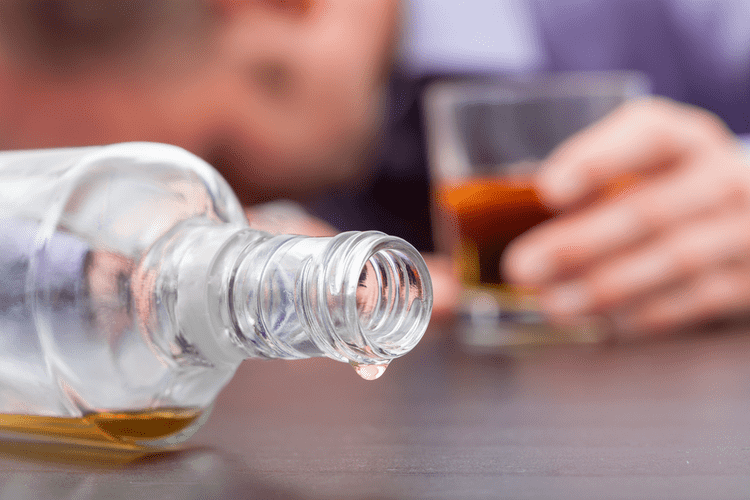
How do I take care of myself or manage symptoms of peripheral neuropathy?

In a heavy, long-term drinker, the brain is almost continually exposed to the depressant effect of alcohol. Over time, the brain adjusts its own chemistry to compensate for the effect of the alcohol. If the alcohol is withdrawn suddenly, the brain is like an accelerating vehicle that has lost its brakes.
Treatment may cost less today – act before your deductible resets.
These how long does alcoholic neuropathy take to go awa abnormal proteins influence other cell populations especially the hepatocytes where the damage to hepatic mitochondria results in hepatic cirrhosis with reduction of energetic substrates in the liver. The action of these abnormal proteins is explained by competition with normal proteins causing the damage to function and metabolism of the cell 22. Past medical history was significant for type 2 diabetes mellitus diagnosed in January 2017 with a hemoglobin A1c (HbA1c) of 7.9% which increased to 10.5% in December 2018 few months before presentation. His diabetes mellitus was being treated with Metformin which he was not compliant with. He did not report any intake of antidepressant therapy or sedatives. Many patients who experience Wernicke’s Encephalopathy go on to develop Korsakoff’s Psychosis.