Okay—so you want a wallet that feels slick, moves fast, and actually plays nice with Solana dApps. Phantom is that wallet for a lot of folks. It’s a browser extension that manages SOL and SPL tokens, NFTs, staking, swaps, and dApp connections, all without fuss. Quick note: always verify what you install and where you download it from—scams are real.
Phantom is built around convenience. You get a compact UI in your browser toolbar, fast transaction signing, and easy NFT browsing in one panel. It’s popular because it abstracts many of the rough edges of blockchain UX: you don’t need to copy-paste addresses constantly, you can approve permissions granularly, and integrations with marketplaces and DeFi apps are widely supported. Still, convenience comes with responsibility—so let’s dig into setup and safety.
Installing and Setting Up Phantom
Download the wallet from a trusted source. If you search the web, be careful—there are imitators. Here’s the link to the installation page I’m referencing: phantom wallet. After installation, you’ll choose between creating a new wallet or importing an existing one via seed phrase.
When creating a new wallet:
- Write down the seed phrase on paper—don’t screenshot it or store it in cloud notes.
- Store the paper somewhere safe, ideally in two physical locations (home and a secure deposit box, for example).
- Set a strong local password for the extension; it helps if your device is ever accessed.
Core Features and How to Use Them
Phantom covers the basics and then some:
- Token management: view, send, and receive SOL and SPL tokens. You can also add custom tokens if they don’t appear automatically.
- Swap: built-in swaps let you trade tokens on-chain without leaving the extension—handy for small, frequent trades.
- NFT support: browse, send, and receive NFTs; metadata and previews show in the UI.
- Staking: delegate SOL to validators right from the wallet to earn rewards while keeping custody.
- Hardware wallet support: Phantom works with Ledger devices for added security.
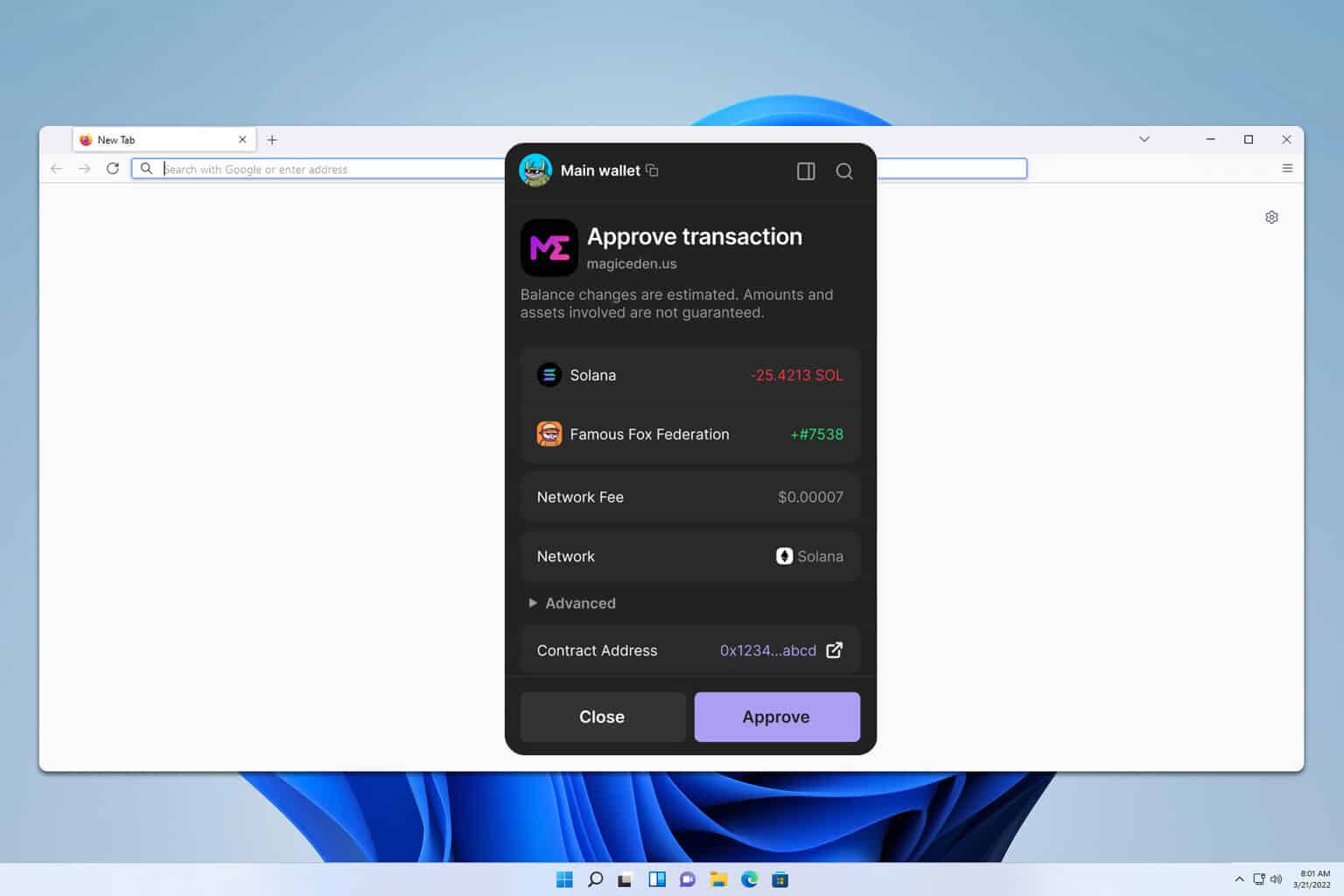
Practice safe workflow: before approving any signature or transaction, read the details. Phantom shows the exact instruction types and amounts. If something looks off, cancel and double‑check on the dApp’s official docs or Discord.
Security Best Practices
This is critical. Wallet security is the one area where care trumps convenience every time. A few practical rules:
- Never share your seed phrase or private keys. No legit service will ask for them.
- Use hardware wallets (Ledger) for large balances. Phantom can connect to Ledger—use that for hot/cold separation.
- Lock your wallet when not in use. Set a short auto-lock timeout if you’re on a shared device.
- Verify dApp URLs and use bookmarks for services you trust. Phishing popups will mimic UI—check the domain carefully.
- Approve minimal permissions where possible. Don’t blindly allow “infinite” approvals for token spending unless you really need them.
- Keep your extension and browser updated. Security patches matter.
Using Phantom with DeFi Apps
Connecting Phantom to a DeFi app is usually one click: “Connect Wallet” then approve in Phantom. Easy. But here’s the nuance: DeFi interactions can bundle multiple instructions—swaps, contract calls, token approvals. Look for these specific red flags:
- Unlimited token approvals. Revoke or limit those.
- Extra instructions that transfer funds you didn’t expect.
- New, unknown contracts asking for approvals—double-check token contract addresses on explorers like Solscan.
Tip: use small test amounts on new platforms. If it works, move more. It’s low drama and often saves time and money.
Troubleshooting Common Issues
Can’t connect to a dApp? Try these steps:
- Refresh the page and ensure Phantom is unlocked.
- Check the site URL and switch to a new tab with the bookmarked address.
- Toggle the extension off and on, or restart the browser.
- If transactions are stuck, check explorer activity and resubmit with adjusted fees.
If you lose access to Phantom (device lost or broken), you can restore with your seed phrase on a new install—so long as you kept the phrase secure. If you think your seed phrase was compromised, move funds to a new wallet immediately and revoke approvals from the old address where possible.
FAQ
Is Phantom free to use?
Yes—the extension itself is free. You pay network fees in SOL for on-chain transactions and swaps. Phantom may aggregate swap routes on-chain but doesn’t charge a separate subscription fee for basic use.
Can I use Phantom on mobile?
Phantom offers mobile apps as well. But if you’re using the browser extension, mobile support will depend on your mobile browser and the dApp—native mobile apps often provide smoother experiences.
Is Phantom safe for NFTs and collectibles?
Generally yes—Phantom is widely used for NFTs. Still, the same safety rules apply: verify contract addresses, avoid suspicious marketplaces, and keep your keys secure. For high-value NFTs consider hardware wallet workflows when possible.