Okay, so check this out—I’ve been living in the Solana world for a while, poking around wallets and extensions. Wow! The Phantom browser extension is one of those tools that feels effortless when it works, and terrifying when it doesn’t. My instinct said: use a hardware wallet for big balances. But for daily NFT drops and quick DeFi taps, Phantom is slick, fast, and well integrated.
Seriously? Yes. Phantom nails the basics: seed phrase backup, intuitive UI, and native support for SOL and SPL tokens. Hmm… but somethin’ about browser extensions always makes me nervous—phishing is real, and browser-based keys are a bigger attack surface than cold storage. Initially I thought extensions were fine for most users, but then I watched a friend click a fake link and lose funds. Actually, wait—let me rephrase that: extensions are fine only when you treat them with the same suspicion you use for email attachments.
Here’s the practical part. Phantom as an app gives you in-browser signing, easy NFT viewing, and smooth interaction with Solana dApps. The UX is polished. Transactions confirm fast. The developer ecosystem around Solana leans on speed, and Phantom fits. On one hand it’s convenience; on the other, convenience invites risk. Though actually, if you set it up cautiously, it’s a strong daily-driver for many people.
What bugs me about the ecosystem is how many fake download pages exist. Check this—I’ve seen copies, clones, and pages that mimic the real thing down to the icon. Whoa! So when you go to install, pause. Don’t rush. Your primary defense is awareness.
How I recommend people get Phantom (without getting scammed)
I prefer direct sources. If you’re grabbing the Phantom extension, verify the extension listing in your browser’s official web store (Chrome Web Store, Firefox Add-ons, etc.), and cross-check the publisher name. Also, if you want a single quick reference that I’ve used to show people where to start, see this page: https://sites.google.com/cryptowalletextensionus.com/phantomwalletdownloadextension/. It’s not the only source, but it’s a straightforward walkthrough I point people to when they ask me for a first step.
I’ll be honest—I’m biased toward official listings. Why? Because browser stores add friction for attackers, and the Phantom team actively manages their pages. That friction isn’t perfect, though. Phishers adapt. So always confirm the extension’s reviews, the install count, and the exact publisher name. If a site asks for your secret phrase before setup—red flag. Seriously—never give your seed phrase to a website or extension that asks for it outside of the wallet’s own backup flow.
Another tip: use a dedicated browser profile or a separate browser for crypto activity. Small step. Big impact. It reduces the chance that unrelated cookies or extensions will interact with your crypto session. Also, multi-factor measures help—though many browser wallets don’t support hardware keys for every flow, pairing Phantom with a hardware wallet when possible is a good plan.
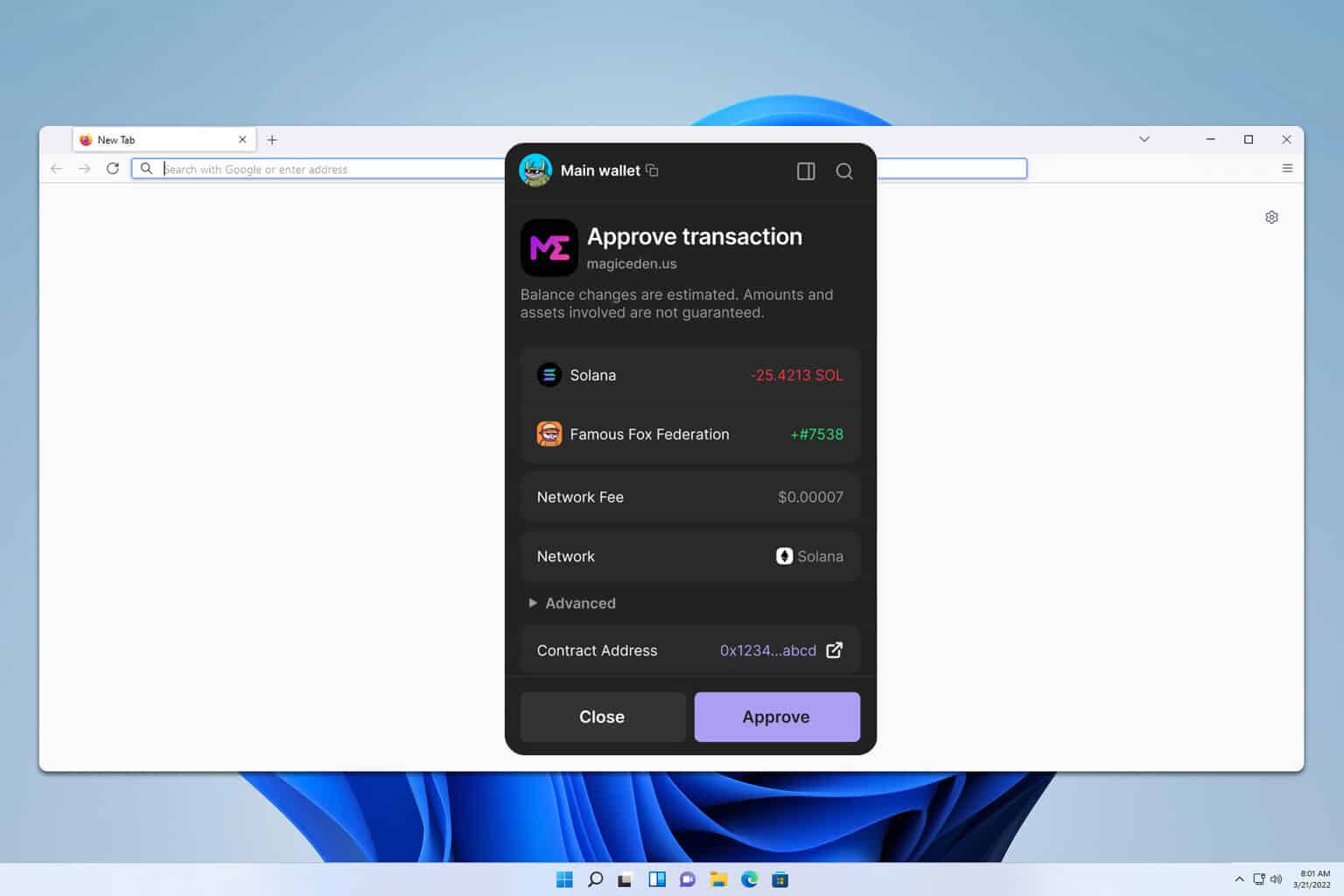
On the technical side, Phantom leverages Solana’s signing model: the extension requests signatures for transactions and you approve them in a popup. Medium complexity, but intuitive once you get used to it. Long story short, read the transaction details before approving—look at destination addresses and token amounts, and if you see unfamiliar programs being invoked, pause and research. Your transaction panel is your last line of defense; use it.
Something felt off about how some dApps request “full access” permissions, though. My first impression was to just click through. Bad move. Actually, I dug in and learned that many dApps request only signature approval for specific actions, but some request broader permissions. On one hand, granting permissions reduces friction for repeated interactions; on the other hand, broader permissions raise risk of unintended spending. Balance it based on trust and frequency of use.
Quick checklist before installing Phantom:
- Verify official store listing (publisher and reviews).
- Never paste your seed phrase into a website.
- Use a separate browser profile for crypto tasks.
- Keep small sums in hot wallets; store the rest cold.
- Double-check transaction details before approving.
One more real-world anecdote: a friend installed what looked like Phantom, synced a seed, and two days later their wallet was drained. The extension was a convincing fake pulled from a shady third-party mirror—so yep, that caution is earned. This part bugs me—because the interface looked right, and their mistake was trusting the link from a Discord server. Don’t do that. If a deal seems too good or a link comes from a random chat, treat it like a stranger handing you a wallet with cash already out—nope.
FAQ
Is Phantom safe for beginners?
For beginners, Phantom is one of the friendliest options for Solana. It has a clean UI and sensible defaults. But “safe” depends on how you use it: avoid dubious links, backup your seed securely, and consider a hardware wallet for larger sums. If you follow basic precautions, it’s fine for learning and daily use.
Can I use Phantom on mobile and desktop?
Yes. Phantom offers both a browser extension for desktop and a mobile app. The extension is convenient for interacting with web dApps; the mobile app is better for on-the-go management. I tend to keep smaller balances on mobile and desktop extensions for active use, reserving bigger holdings for cold storage.
What should I do if I suspect a phishing attempt?
Stop immediately. Do not confirm transactions. Revoke any suspicious approvals via the extension settings if possible. Move unaffected funds to a new wallet if you think the seed is compromised. And report the phishing URL to your browser store and to community channels. I’m not 100% sure every method works fast enough, but speed helps minimize damage.